
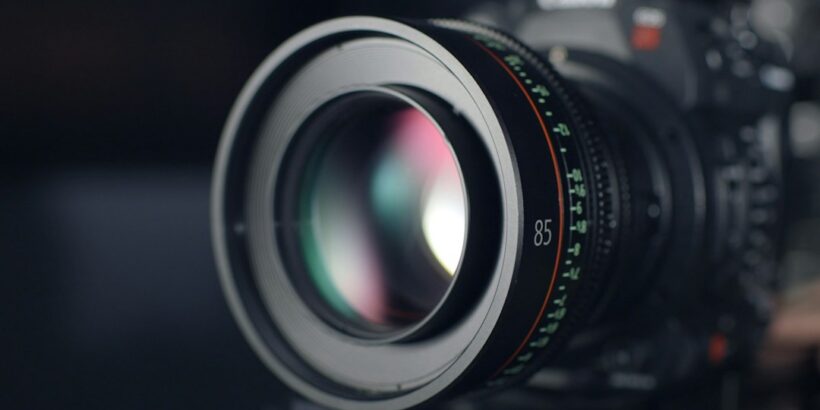
Blurry photos frustrate photographers at every skill level, especially when shooting handheld in low light or with telephoto lenses. The culprit? Camera shake—those tiny, unavoidable movements that soften details and ruin otherwise perfect compositions. Image stabilization technology solves this problem by detecting and counteracting unwanted movement in real-time. Modern stabilization systems can provide 5 to 8 stops of correction, allowing you to shoot handheld in situations that previously demanded a tripod. Three main types of stabilization exist: optical systems built into lenses, in-body sensor-shift mechanisms, and digital software-based correction. Understanding how each works, their strengths and limitations, and when to use them helps you make smarter gear choices and dramatically improve your shooting success rate in challenging conditions.
Understanding Image Stabilization Technology
Camera shake remains one of the most common culprits behind blurry photos, even among experienced photographers. When you press the shutter button, the simple act of breathing, minor hand tremors, or shifting your weight can introduce enough movement to soften details and reduce image sharpness. Image stabilization technology addresses this fundamental challenge by detecting and counteracting unwanted camera movement in real-time.
The traditional guideline for avoiding camera shake is the 1/focal length rule: shoot at a shutter speed equal to or faster than the inverse of your focal length. Using a 100mm lens? Keep your shutter speed at 1/100 second or faster. With a 200mm lens, you need 1/200 second minimum. This rule worked for decades, but it severely limited handheld photography in low light or with telephoto lenses, often forcing photographers to increase ISO (introducing noise) or use a tripod.
Image stabilization changes this equation dramatically. Modern systems employ sophisticated gyroscopic sensors that detect camera movement at rates up to 4,000 times per second. These sensors measure angular velocity and acceleration across multiple axes, feeding data to either lens elements (in optical stabilization) or the camera’s sensor (in-body systems). The stabilization mechanism then shifts optical elements or the sensor itself in the opposite direction of the detected shake, effectively canceling out the movement before it reaches your image.
Today’s advanced stabilization systems can provide 5 to 8 stops of correction, allowing you to shoot that 100mm lens at 1/3 second instead of 1/100 second while maintaining sharp results. That’s the difference between a usable handheld shot and needing a tripod in challenging lighting conditions.
However, stabilization has limits. It effectively corrects high-frequency micro-movements like hand tremors and breathing, but cannot compensate for subject motion blur, intentional panning, or large-scale camera movements. A stabilized camera won’t freeze a running child or stop motion blur from a moving car.
Three Types of Image Stabilization Systems
Modern cameras employ three distinct approaches to combat camera shake, each with specific engineering trade-offs that affect performance, cost, and versatility. Understanding these differences helps photographers choose the right gear for their shooting style.
Optical Image Stabilization (OIS)
Optical stabilization builds the correction mechanism directly into the lens. Floating lens elements shift in response to gyroscopic sensors that detect movement up to 4,000 times per second, counteracting shake before light reaches the sensor. Canon’s RF lineup demonstrates this approach, with over 70% of lenses featuring built-in stabilization.
The primary advantage: OIS provides stabilization visible through the viewfinder, making composition easier in low light. Telephoto lenses benefit most, since camera shake magnifies with focal length. The drawback is clear—you’re paying for stabilization in every compatible lens you buy, and unstabilized lenses remain unstabilized.
In-Body Image Stabilization (IBIS)
IBIS moves the camera sensor itself to compensate for shake, offering a fundamentally different value proposition. The sensor shifts along multiple axes—often five—to correct pitch, yaw, roll, and lateral movements. Sony’s latest systems deliver up to 8 stops of stabilization when paired with stabilized lenses.
The game-changing benefit: every lens you attach gains stabilization, including vintage glass and manual-focus lenses. This makes IBIS particularly valuable for photographers with diverse lens collections. However, IBIS can’t compensate for subject movement, and stabilization isn’t visible in optical viewfinders.
Digital Stabilization
Digital stabilization crops into the sensor’s active area, using software to analyze and smooth frame-to-frame movement. Video shooters encounter this most often, though some still cameras apply digital correction to photos.
| Feature | Optical (OIS) | In-Body (IBIS) | Digital |
|---|---|---|---|
| Works with any lens | No | Yes | Yes |
| Visible in viewfinder | Yes | No | No |
| Image quality impact | None | Minimal | Resolution loss |
| Typical effectiveness | 3-5 stops | 5-8 stops | 1-3 stops |
| Best for | Telephoto work | Versatility | Video smoothing |
Digital methods sacrifice resolution and can introduce artifacts, making them supplementary rather than primary solutions. Studies show traditional stabilization improves keeper rates by 30-50% in low-light scenarios—results digital correction struggles to match.
Real-World Performance: Stops of Stabilization Explained
A “stop” of stabilization represents a doubling or halving of light reaching your sensor, which translates directly to shutter speed flexibility. When a manufacturer claims 5 stops of stabilization, they’re saying you can shoot at a shutter speed 32 times slower than the traditional handheld rule suggests. That’s the difference between needing 1/200s and getting sharp results at 1/6s.
The traditional guideline for handheld shooting recommends a minimum shutter speed matching your focal length—shoot a 200mm lens at 1/200s or faster to avoid motion blur. Modern stabilization systems obliterate this limitation. With 5 stops of compensation, that same 200mm lens becomes usable at 1/6s. Push it to 8 stops, which current flagship systems from Sony and Canon achieve, and you’re looking at half-second exposures handheld with telephoto glass.
Here’s what this means practically: shooting a dimly lit cathedral interior at ISO 800 instead of ISO 12,800, or capturing wildlife at dawn without cranking sensitivity into noisy territory. A 50mm lens that traditionally required 1/50s can now produce sharp images at 1/3s with 7-stop stabilization—perfect for low-light street photography or indoor event work without flash.
Hybrid systems that combine in-body image stabilization (IBIS) with optical image stabilization (OIS) in lenses deliver the most impressive results. The camera body corrects for larger movements while the lens handles fine-tuning, working in concert to maximize effectiveness. Sony’s latest mirrorless bodies paired with stabilized telephoto lenses achieve that remarkable 8-stop threshold, while Canon’s RF mount system sees over 70% of its lenses featuring built-in stabilization that syncs with camera bodies.
The real-world impact shows in keeper rates: photographers report 30-50% more usable shots in challenging handheld scenarios. That’s not marketing fluff—it’s the measurable difference between coming home with a dozen sharp images versus four.
Image Stabilization Benefits for Photography and Video
Modern stabilization systems can improve your keeper rate by 30-50% in challenging shooting conditions, transforming scenarios that once demanded a tripod into handheld opportunities. This performance gain extends across both still photography and video work, though the benefits manifest differently for each medium.
Still Photography Advantages
Handheld shooting at slower shutter speeds becomes remarkably viable with effective stabilization. The traditional rule of using a shutter speed matching your focal length (1/200s for a 200mm lens) extends by multiple stops. With 5-8 stops of stabilization available in modern systems, photographers can shoot that same 200mm lens at 1/6s and still achieve sharp results.
Telephoto users above 200mm experience the most dramatic improvements. Small angular movements at long focal lengths translate to significant image blur, but stabilization systems sampling gyroscopic data thousands of times per second can counteract this motion in real-time. Wildlife and sports photographers working in marginal light conditions particularly benefit, maintaining lower ISOs and better image quality than previously possible.
Low-light photography sees practical advantages beyond just slower shutter speeds:
- Reduced reliance on high ISO settings, preserving dynamic range and minimizing noise
- Greater compositional flexibility without needing to brace against walls or other supports
- Improved success rate when shooting at dawn, dusk, or indoors without flash
- Extended handheld capability for macro work where even slight movements cause blur
Video Shooting Benefits
Five-axis stabilization systems correct pitch, yaw, roll, and horizontal/vertical shifts simultaneously, producing footage that appears tripod-mounted even when walking. This multi-directional correction proves essential for modern hybrid shooting, where photographers increasingly capture both stills and video.
Active mode takes stabilization further by applying a slight crop (typically 5-10%) to the frame, reserving extra sensor area for more aggressive movement compensation. This mode excels for run-and-gun documentary work or vlogging, where traditional stabilizers would prove impractical. The tradeoff in field of view delivers noticeably smoother results during dynamic movement.
Industry Trends and Market Adoption
Stabilization technology has shifted from a premium selling point to a baseline expectation across the camera market. By 2023, approximately 85% of newly released mirrorless cameras included in-body image stabilization as standard equipment, marking a dramatic transformation from just five years earlier when IBIS remained largely confined to flagship models. This widespread adoption reflects both declining manufacturing costs and mounting consumer demand for handheld shooting flexibility.
Canon’s RF lens ecosystem exemplifies the industry’s commitment to optical stabilization, with over 70% of their RF-mount lenses featuring built-in OIS. This strategic approach allows Canon to deliver stabilization benefits even on camera bodies without IBIS, while achieving exceptional combined stabilization performance on bodies that do include sensor-shift technology. Nikon and Sony have pursued similar dual-stabilization strategies, with Sony’s latest systems claiming up to 8 stops of correction when pairing IBIS-equipped bodies with stabilized lenses.
Market analysts project continued investment in stabilization innovation through 2025 and beyond, driven by the expanding content creator economy and growing expectations for hybrid photo-video performance. Entry-level cameras that once shipped without any stabilization now routinely include at least digital stabilization for video, while mid-range models increasingly feature full 5-axis IBIS systems that were flagship-exclusive just three years ago. This democratization of technology means photographers at every budget level can now access tools that meaningfully improve their keeper rates and expand their creative possibilities in challenging lighting conditions.
When to Use (and Not Use) Image Stabilization
Image stabilization shines brightest when shooting handheld in challenging conditions, but knowing when to flip the switch off is equally important for optimal results and battery performance.
Maximum Stabilization Benefits
Stabilization delivers the most value in these scenarios:
- Low-light handheld shooting – When photographing indoor events, evening cityscapes, or dimly-lit interiors where you need shutter speeds slower than the 1/focal length rule would typically allow
- Telephoto work – Using focal lengths above 200mm, where even subtle hand movements become magnified. A 300mm lens without stabilization requires 1/300s minimum; with 5 stops of stabilization, you can shoot at 1/10s
- Video recording – Stabilization smooths walking footage and eliminates micro-jitters that become distracting in longer clips
- Macro photography – Close-up work amplifies every tiny movement, making stabilization essential for handheld flower or insect shots
When to Disable Stabilization
Turn off image stabilization in these situations:
- Tripod-mounted shooting – Stabilization systems can actually introduce blur by attempting to correct non-existent movement, creating feedback loops as sensors detect their own corrections
- Fast shutter speeds – At 1/500s or faster, camera shake is already eliminated, and stabilization provides no benefit while consuming battery power
- Panning shots – Most modern systems include pan detection, but older stabilizers may fight your intentional horizontal movement
Battery Life Considerations
Active stabilization reduces battery life by 10-20% because gyroscopic sensors and actuator motors constantly draw power. On a typical mirrorless camera rated for 400 shots per charge, you might lose 50-80 frames with stabilization always engaged. For all-day shooting, carry spare batteries or disable stabilization when conditions don’t demand it.
Image stabilization has fundamentally transformed what’s possible with handheld photography. Situations that once required a tripod—shooting in dim cathedrals, capturing wildlife at dusk, working with long telephoto lenses—now become manageable without additional support gear. The technology has democratized across price points, with even entry-level cameras now offering meaningful stabilization that improves keeper rates by 30-50% in challenging conditions.
Understanding the three types of stabilization—optical, in-body, and digital—helps you choose gear that matches your shooting style. Telephoto specialists might prioritize optical stabilization in lenses, while photographers with diverse lens collections benefit most from in-body systems that stabilize everything you mount. Hybrid shooters gain advantages from both still and video stabilization features.
The best approach? Experiment with your system’s stabilization limits. Test how slow you can push your shutter speeds with different focal lengths. Learn when to disable stabilization on tripods or at fast shutter speeds. While modern technology extends your handheld capabilities dramatically, remember that stabilization complements rather than replaces good technique. Proper stance, smooth shutter release, and controlled breathing still matter—stabilization just gives you a much wider margin for success.